
Demolition with a plan, not a sledgehammer
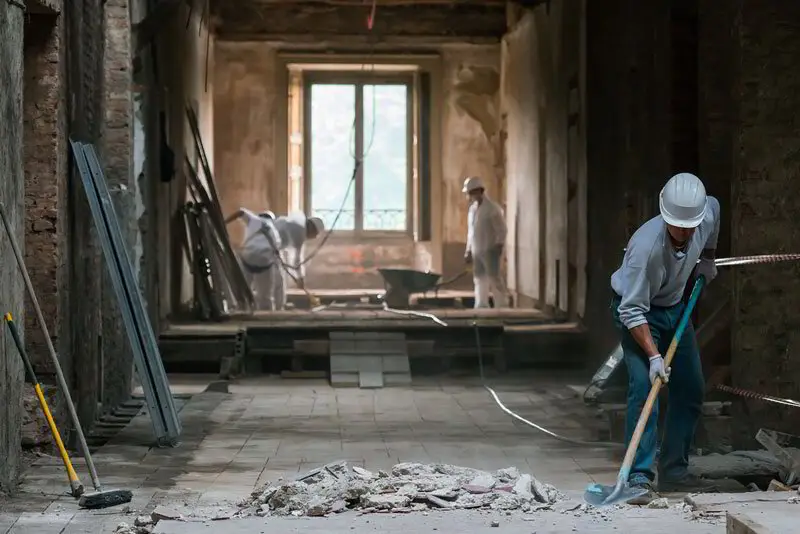
Television makes demolition look like the fun part where anything goes. In a lived-in home, it is the opposite. Selective demolition, sometimes called interior demolition or soft-strip demolition, means removing specific materials and structures while keeping the rest of the house intact and protected. Done carefully, it gives the remodel a clean, sound starting point. Done carelessly, it creates repairs that were never in the plan.
Top Quality Home Improvement handles demolition both as the first phase of our own remodeling projects and as a standalone service for homeowners who need a space cleared.
What we remove
Inside the house
- Kitchen tear-outs: cabinets, countertops, backsplashes, soffits and flooring
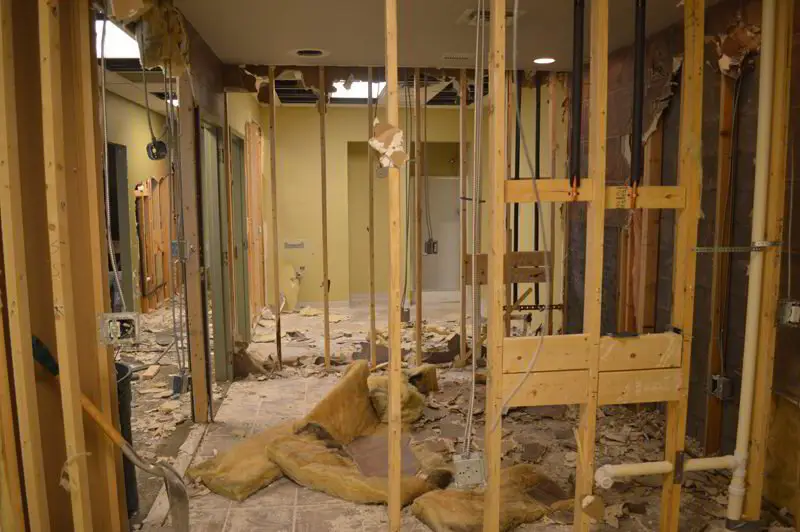
- Bathroom demolition: tubs, shower surrounds, tile, vanities and toilets, down to the studs when needed
- Interior walls and partitions, including openings for a more open floor plan
- Flooring of all kinds, from carpet and tack strip to glued-down vinyl and tile set in mortar
- Water-damaged drywall, ceilings and insulation after a leak
- Old built-ins, closets and paneling
Outside the house
- Old wood decks and stairs
- Fencing and gates
- Small sheds and outbuildings
- Concrete and paver patios and walkways
Safety comes before the first swing
The most important demolition work happens before anything is torn out.
Checking for hidden utilities
Walls, floors and ceilings hide electrical wiring, water supply lines, drain pipes, gas lines and ductwork. Before we open a wall, we identify what is likely inside it, shut off and disconnect the relevant circuits and water lines, and cut with care, often making a small inspection opening first. Gas lines and live electrical circuits are disconnected by the appropriate licensed trade when required.
Looking at what holds the house up
Removing a wall is a structural decision before it is a demolition task. We check joist direction, what bears on the wall from above and how loads travel to the foundation. If a wall is load-bearing, temporary shoring and a properly sized beam become part of the plan.
Older materials
Homes built before the late 1970s may contain materials, such as some paints, flooring, adhesives and textured ceilings, that should be tested before they are disturbed. If your house is in that age range, we will talk with you about testing before demolition begins rather than finding out afterward.
What demolition can uncover
Opening walls and floors is the moment a house shows its history. Common finds include rotted subfloor around a toilet or tub, old leaks inside a wall, wiring that was spliced without a box, missing insulation, and framing that was cut or notched for past plumbing work. When we find something like this, we stop, show you, and explain your options before the plan changes. Finding these problems during demolition is far better than covering them with new finishes, and it is one more reason to have the same team that tears out the space also plan the rebuild.
Protecting the rest of your home
Most of our demolition happens in occupied homes, so containing the mess is part of the job:
- Floors along the path from the work area to the exit are covered.
- Plastic barriers and zipper doors are hung to keep dust inside the work zone.
- HVAC returns and vents near the work area are sealed so dust does not circulate through the house.
- Surfaces that will stay, such as adjoining cabinets, flooring and trim, are protected and worked around by hand.
- The work area is swept and cleaned up at the end of each day.
Debris and salvage
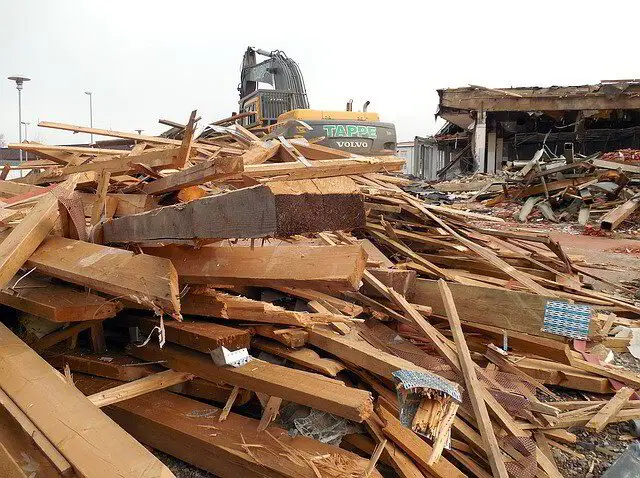
Demolition produces a lot of material quickly. We sort it as we work, load it out through a protected path and haul it away responsibly, leaving a clean space ready for the next phase. Before we start, we walk through the space with you and talk about what is worth salvaging. Solid wood cabinets, doors, light fixtures and vanities can have a second life in a garage, workshop or someone else's home.
When demolition is part of a larger project
Demolition is rarely an end in itself. Once the space is open, the remodeling work begins, and having one team handle both means the person tearing out the old kitchen already knows what the new one needs. After rough-ins are complete, our drywall crew closes up the walls. Outside, clearing an old deck is often the first step toward a new deck or pergola. For more on sequencing a renovation, see our renovation tips for Knoxville homeowners.
Getting ready for demolition day
- Remove personal items, food, and anything stored in cabinets that are coming out.
- Decide what you want to keep and mark it clearly.
- Plan where your family and pets will be while the noisiest work is happening.
- Clear the driveway area so debris can be loaded out easily.
Schedule a demolition estimate
Tell us what needs to come out and what the space will become, and we will walk the job, point out anything that needs special handling, and give you a written estimate with no hidden fees. Top Quality Home Improvement is licensed and insured and has over 20 years of experience in Knox, Anderson, Blount and Union counties. Book your free estimate or get in touch to talk through your project.
Demolition Services FAQs
Can I save money by doing the demolition myself?
Some homeowners do, and for simple jobs like pulling carpet it can make sense. The risks come with walls, ceilings, cabinets and plumbing fixtures: hidden wiring and pipes, damage to surfaces that are supposed to stay, and the hauling. If you want to do part of it yourself, tell us during the estimate and we will help you draw a clear line.
How do you know if a wall can be removed?
We look at which way the floor or ceiling joists run, what sits above the wall, and what runs inside it. A load-bearing wall can often still be opened up, but it needs a properly sized beam and support, and sometimes an engineer's input and a permit. We explain what your wall needs before anything is cut.
What happens to the debris?
We sort it as we go, load it out and haul it away responsibly, so you are not left with a pile in the driveway. Items you want to keep are set aside before demolition starts.
Can my old cabinets or fixtures be salvaged?
If they are in decent shape, often yes. Cabinets come out cleanly when they are unscrewed rather than pried off, and doors, vanities and fixtures can be set aside for reuse, donation or a garage workshop. Tell us what you want to keep and we will talk through what is practical.
Do you handle demolition on outdoor structures?
Yes. We remove old decks, small sheds, fencing and patios as part of preparing for a new outdoor project.
Getting Started
How Your Project Gets Done
-
 Step 1
Schedule Your Free Estimate
Pick a day and time that fits your schedule. A member of our team will work around your calendar.
-
 Step 2
Review Your Project & Get an Estimate
A home improvement specialist walks the space with you, talks through options and leaves a written estimate.
-
 Step 3
Schedule Your Project
Because one team handles every part of the job, scheduling stays simple and we take care of the heavy lifting.
-
 Step 4
Enjoy Your Updated Home
Settle into a space that has been repaired, refreshed or remodeled around the way you live.
Related Services & Guides
-
 Service
Kitchen, Bathroom and Whole-Home Remodeling
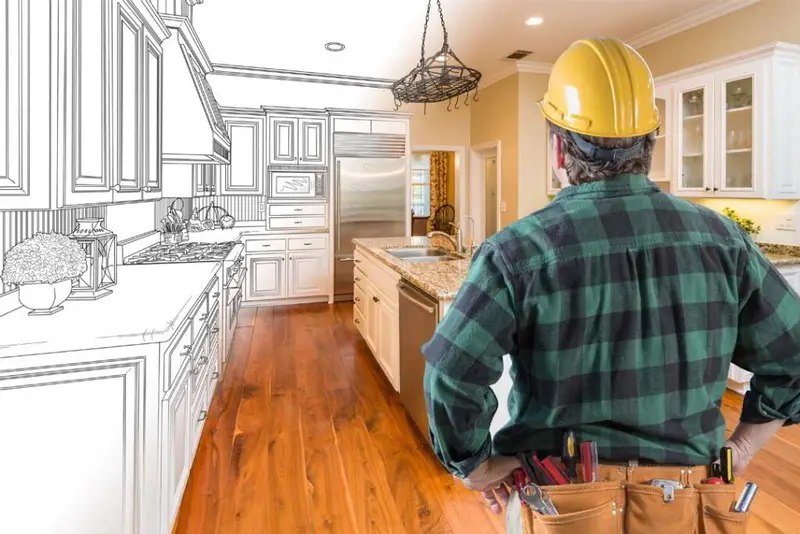
Kitchen, bathroom and basement remodels, additions and exterior updates, managed by one team from tear-out to finish.
Service
Kitchen, Bathroom and Whole-Home Remodeling
Kitchen, bathroom and basement remodels, additions and exterior updates, managed by one team from tear-out to finish.
-
 Service
Drywall Installation and Repair That Disappears Into the Wall
Drywall hanging, taping, patching and texture matching for repairs, remodels and finished basements.
Service
Drywall Installation and Repair That Disappears Into the Wall
Drywall hanging, taping, patching and texture matching for repairs, remodels and finished basements.
-
 Service
Custom Decks, Deck Repair and Pergolas
Custom deck construction, deck replacement and repair, railings, stairs and pergolas in wood or composite.
Service
Custom Decks, Deck Repair and Pergolas
Custom deck construction, deck replacement and repair, railings, stairs and pergolas in wood or composite.
-
 Article ·
Top Home Renovation Tips for Knoxville Homeowners: Upgrade Your Space with Confidence
Planning tips for a Knoxville-area renovation, from setting goals and a budget to sequencing trades and living through the work.
Article ·
Top Home Renovation Tips for Knoxville Homeowners: Upgrade Your Space with Confidence
Planning tips for a Knoxville-area renovation, from setting goals and a budget to sequencing trades and living through the work.
Free Estimates
Ready to Talk About Your Demolition Services Project?
Send us a few details and a member of our team will reach out to set up a time to look at your project. You get a written estimate with honest, upfront pricing and no hidden fees.
- Licensed & insured · LIC #11362 TN
- 20+ years of experience
- Serving Knox, Anderson, Blount & Union counties
- Mon–Fri 8 AM – 7 PM · Sat–Sun 10 AM – 7 PM
Free Consultation
Request Your Free Estimate
Tell us about your project and we will contact you to schedule a free, no-pressure consultation.
Prefer to talk? 865-279-0501We respect your privacy.